Written by Sabrina Howard
Looking to learn more about AEO and GEO, and how they impact your nonprofit marketing strategy? Book a call with us today!
Key Takeaways
- AEO and GEO Reflect a Shift in Search Behavior: Answer engine optimization (AEO) focuses on delivering direct answers through featured snippets and AI summaries, while generative engine optimization (GEO) helps your content get discovered, cited, and used within AI-generated responses across platforms.
- AEO Rewards Clear Structure and Format: Pages that use question-based headings, lead with the answer, and present information in accessible formats like FAQs are easier for search systems to interpret and surface to users.
- GEO Rewards Authority and Trust: Original mission-specific content, credible sourcing, technical accessibility, and strong topical authority across your site all help AI systems understand and confidently cite your organization.
- Neither AEO nor GEO Replaces SEO: Google confirms that traditional SEO best practices still apply to AI features, meaning nonprofits should sharpen their existing content strategy rather than abandon it for new tactics or special schema.
- Nonprofits Should Focus on People-First Content: Building content around real audience questions, leading with clarity, supporting claims with trustworthy sources, maintaining a technically healthy site, and developing content clusters will boost visibility across both traditional search and AI-driven discovery.
If your nonprofit has been investing in SEO, you may have started hearing two newer acronyms: AEO and GEO. They sound similar, and they do overlap, but they are not exactly the same thing.
AEO stands for answer engine optimization, while GEO stands for generative engine optimization. Both reflect a broader shift in how people find information online. Instead of clicking through a list of blue links, more users now expect a direct answer from tools such as Google’s AI features and AI-powered search experiences. Google says its AI features, including AI Overviews and AI Mode, are designed to help people get information quickly, explore more complex questions, and discover a wider set of supporting links.
For nonprofits, this shift matters. Your audience may ask an AI tool a question like “How can I help families facing hunger in my city?” or “What are signs of caregiver burnout?” If your organization’s content is clear, trustworthy, and easy to surface, you have a better shot at being part of that answer.
Answer Engine Optimization: Optimizing for Direct Answers
AEO focuses on helping search tools and assistants deliver a clear, concise answer pulled from your content. Think featured snippets, voice search responses, FAQ results, and short AI summaries.
AEO is closely tied to content structure. Pages that answer a specific question well, use straightforward headings, and present key information in accessible language are easier for search systems to interpret. Google’s own guidance still points site owners back to the basics: create helpful, reliable, people-first content; make important information available in text; and use structured data that matches the visible content on the page.
In practice, AEO often includes tactics such as:
- Writing question-based headings that mirror how people search
- Giving the answer early in a paragraph before expanding on it
- Using FAQ and Q&A formats when they genuinely help the reader
For nonprofits, AEO can be especially useful for educational pages, service pages, and resource hubs. If someone searches for “who qualifies for food assistance,” “how to volunteer at a shelter,” or “what is trauma-informed care,” an answer-ready page has a better chance of surfacing.
Generative Engine Optimization: Optimizing for AI-Generated Responses
GEO is the practice of improving how your content gets discovered, cited, or used in AI-generated responses. Instead of focusing only on one direct answer box, GEO is about helping your organization appear in AI summaries and conversational search results across platforms.
Google says there are no special optimizations required to appear in AI Overviews or AI Mode beyond strong SEO fundamentals, and that pages must be indexable and eligible to appear with a snippet in Search. Google also notes that these AI experiences can surface a broader and more diverse set of helpful links.
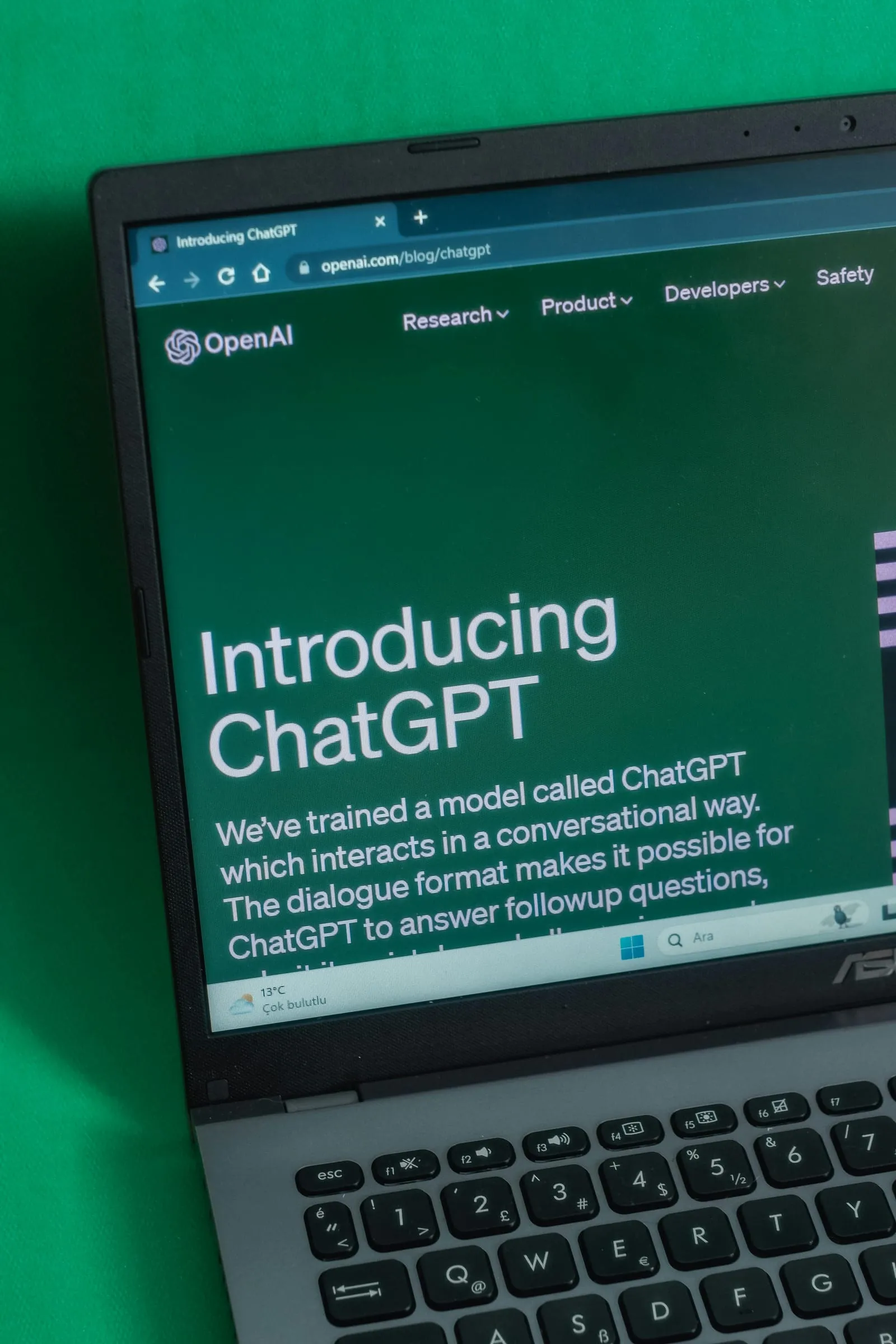
OpenAI gives similar high-level guidance for discoverability in ChatGPT search: public websites can appear, and site owners should not block OAI-SearchBot if they want content included in summaries and snippets
These insights mean that GEO is less about gaming an algorithm and more about making your content easy for AI systems to understand and trust. Strong GEO signals often include:
- Original, mission-specific content that says something useful
- Clear organization with descriptive headings and scannable sections
- Credible sourcing and up-to-date facts
- Technical accessibility, including crawlability and indexability
- Strong topical authority across your site, not just on one page
AEO vs. GEO: What’s the Difference?
The easiest way to think about it is this:
- AEO helps your content answer a question directly.
- GEO helps your content become part of an AI-generated explanation.
AEO is often narrower and more format-driven. GEO is broader and more authority-driven. But neither replaces SEO. In fact, Google explicitly says the best practices for SEO still apply to AI features in Search, and there is no special schema or “AI file” required.
That means you don’t need to throw out your content strategy. You need to sharpen it.
What Nonprofits Should Do Now
If your organization wants to improve visibility in both traditional search and AI-driven discovery, start here:
- Build Content Around Real Audience Questions: Donors, volunteers, clients, and community partners all search differently.
- Lead With Clarity: Put the most helpful answer near the top of the page.
- Support Claims With Trustworthy Sources: That helps readers and strengthens credibility.
- Keep Your Site Technically Healthy: Google recommends allowing crawling, strengthening internal links, and making key content available in text.
- Create Content Clusters: One strong blog post helps, but a well-developed library builds authority over time.
This is where a strategic partner can make a real difference. Nonprofit Megaphone’s services include content creation, website SEO, and Google Ad Grant management, along with tools such as VisitorEmail and Spanish ad creation to help nonprofits expand reach and deepen engagement. Learn more about how we can help you amplify your mission.
The Bottom Line
AEO and GEO may be newer marketing terms, but the underlying lesson is familiar: publish content that is helpful, structured, credible, and written for real people.
For nonprofits, that means answering urgent questions clearly, showing up where supporters are searching, and building content that earns trust across search engines and AI tools alike. If your team needs help adapting your digital strategy for this new landscape, Nonprofit Megaphone offers nonprofit-focused support that connects SEO, content, and visibility into one stronger system. As a Google Premier partner, we’ve helped hundreds of nonprofits expand their reach and achieve their goals. Book a call today to learn more about how we can help your nonprofit thrive!